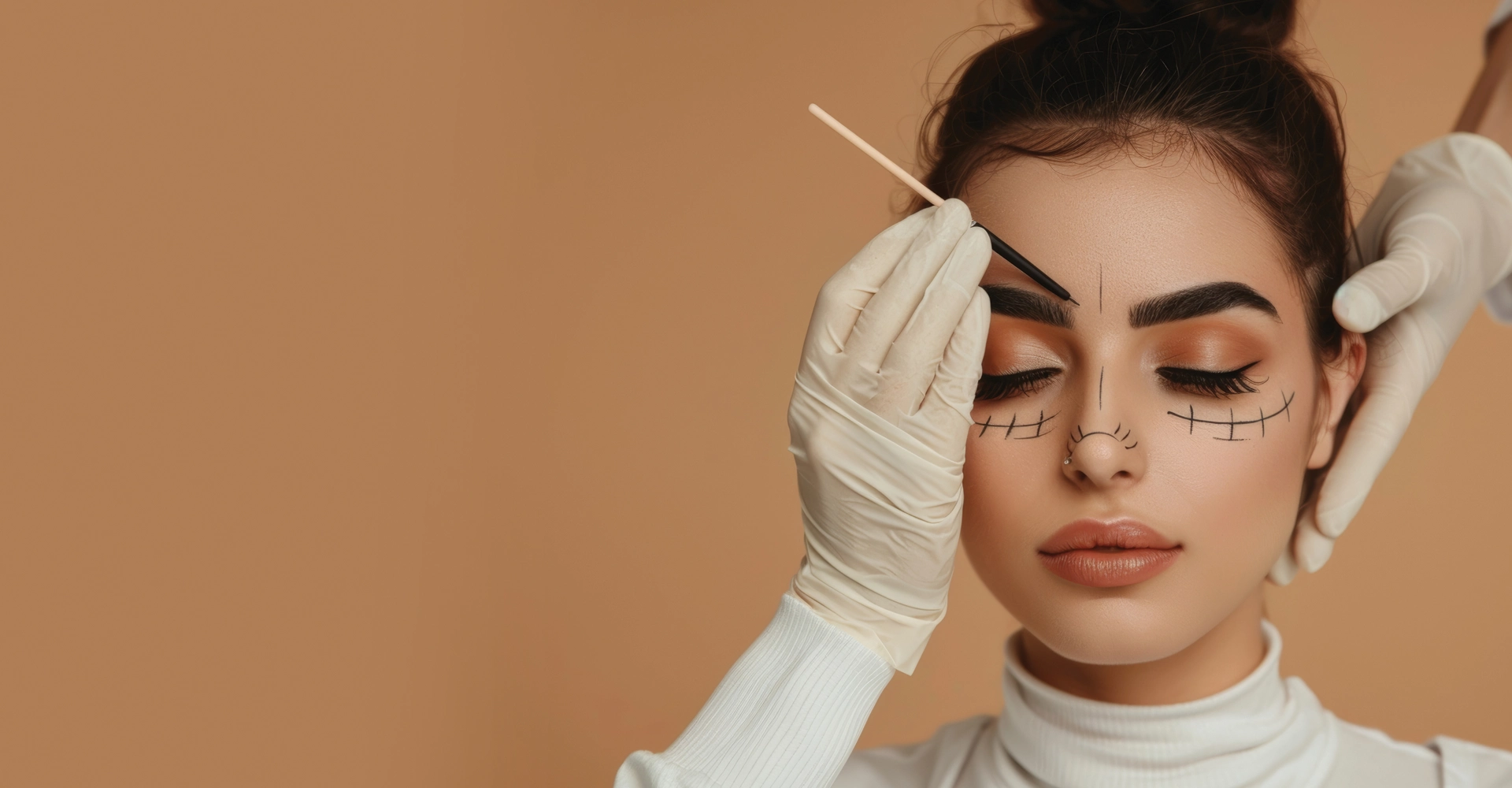
Evolution of modern aesthetic standards
Achieving harmony through advanced cosmetic surgery
Contemporary aesthetic medicine moves beyond simple correction, focusing instead on restoring balance and enhancing natural features through precise surgical interventions and targeted treatments that respect individual anatomy.
Restoring structure with facial surgical procedures
Aging affects the underlying muscular and skeletal framework of the face, leading to volume loss and skin laxity that requires structural surgical adjustment for lasting rejuvenation.
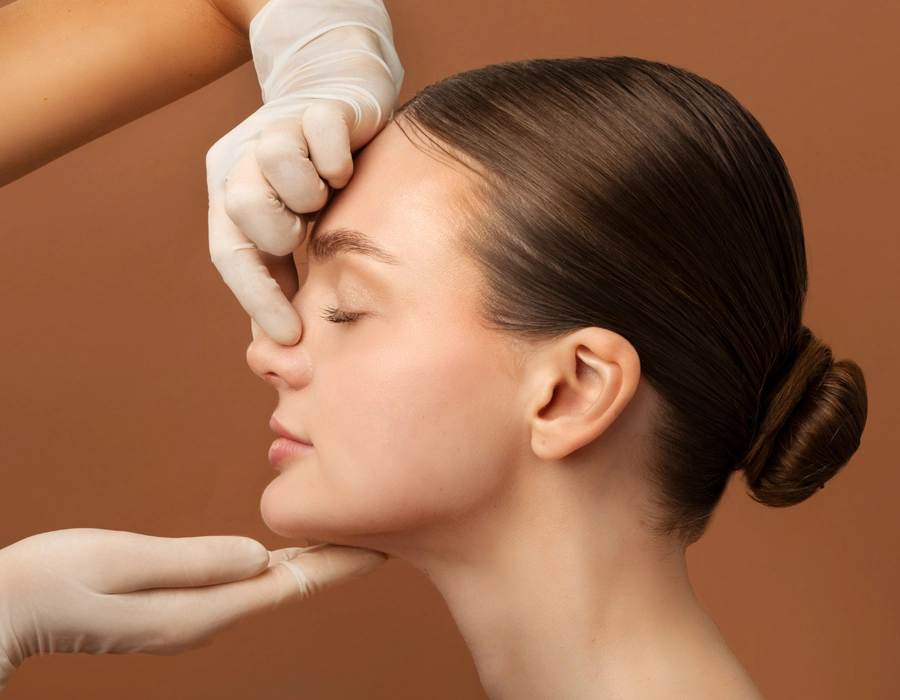
Rhinoplasty for profiling and function
Surgeons reshape nasal cartilage to improve breathing and aesthetic facial proportions.
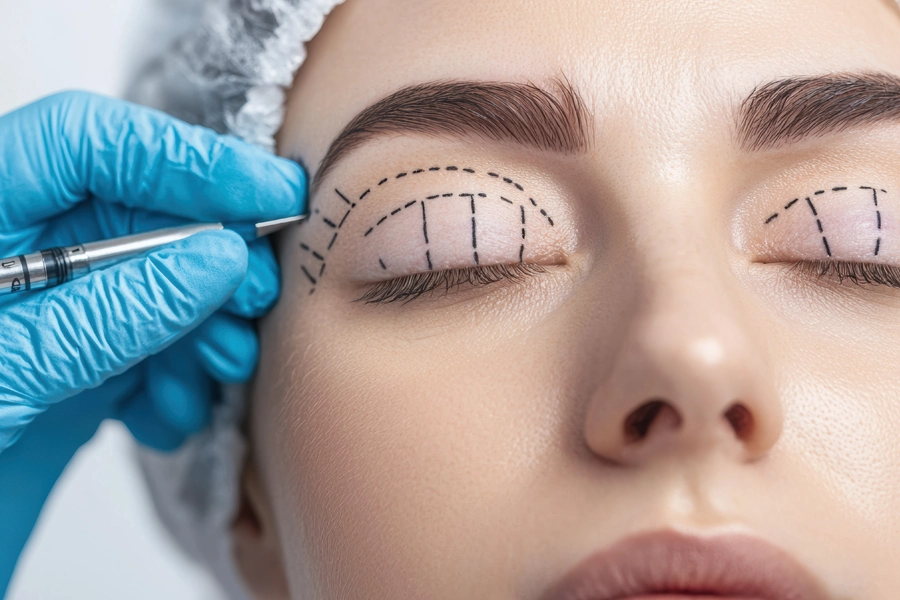
Blepharoplasty and eyelid rejuvenation
Removing excess skin from eyelids eliminates tired appearances and improves vision fields.
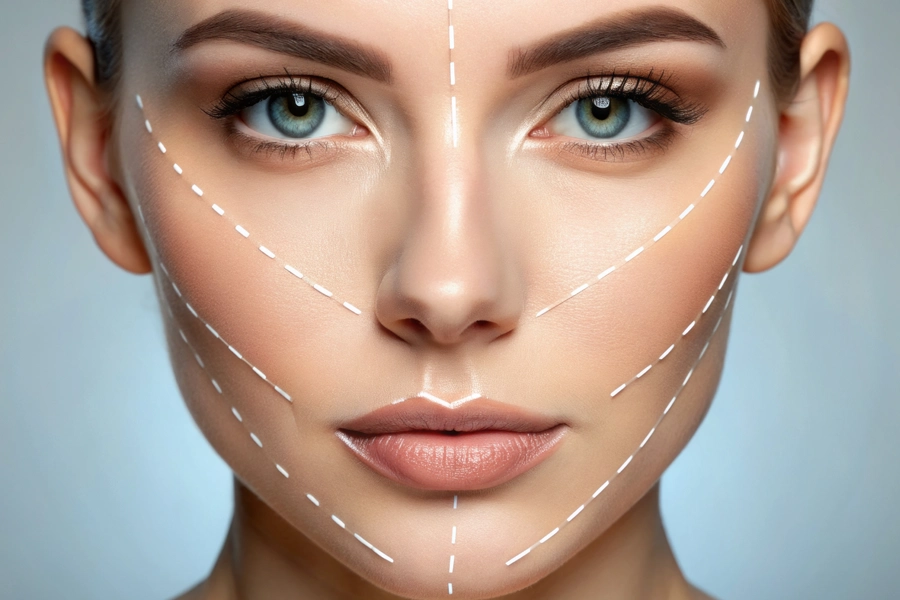
Facelift techniques for definition
Repositioning deep tissue layers restores a youthful contour to the jawline.

Sculpting the body silhouette
Stubborn fat deposits often resist diet and exercise, prompting the use of liposuction to refine body contours. Cannulas gently dislodge adipose tissue, allowing surgeons to reshape the hips, thighs, and abdomen for a more proportional and athletic physique that aligns with the patient’s natural frame.
Following significant weight loss or pregnancy, abdominoplasty addresses loose skin and separated abdominal muscles. This procedure tightens the core structure, creating a flatter, firmer midsection where clothing fits significantly better.
Revitalizing skin without invasive surgical intervention
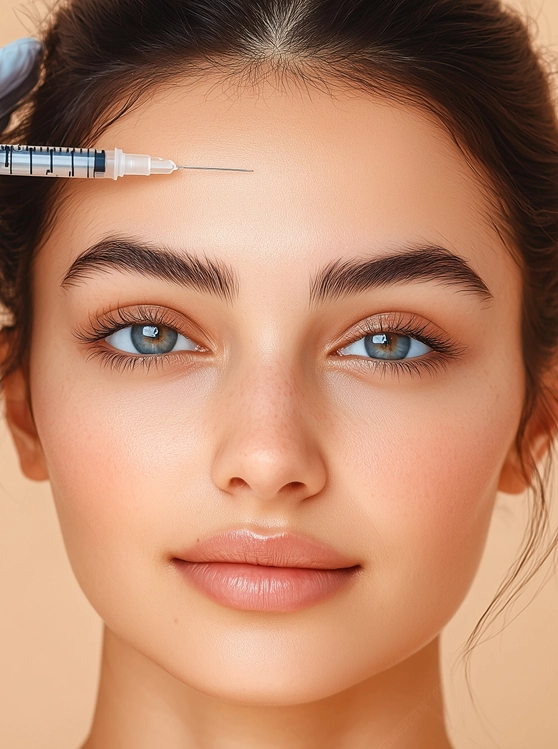
Injectable neurotoxins relax dynamic wrinkles caused by repetitive expressions, smoothing the forehead and crow’s feet. Simultaneously, dermal fillers restore lost volume in cheeks and lips, providing immediate rejuvenation. These “lunchtime procedures” offer minimal downtime, making them a preferred choice for active lifestyles seeking subtle yet effective enhancements.
Laser resurfacing technologies penetrate the dermis to stimulate collagen production, effectively treating pigmentation issues and fine lines. Radiofrequency devices tighten lax skin by heating deep tissue layers without damaging the surface epidermis, promoting long-term texture improvement.
Essential protocols for recovery and healing
Proper aftercare determines the final success of any cosmetic procedure, requiring strict adherence to medical guidelines to minimize inflammation and ensure optimal scar maturation over the following months.
Manual lymphatic drainage techniques accelerate fluid elimination and reduce bruising.
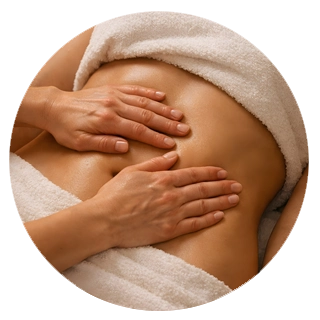
Strategies for reducing tissue swelling
Medical-grade compression garments support healing tissues and maintain new contours.
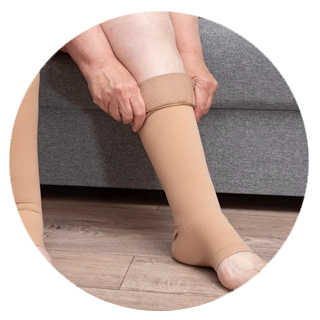
Support through compression wear
Silicone gel sheets hydrate scars effectively, preventing excessive hypertrophic tissue formation.
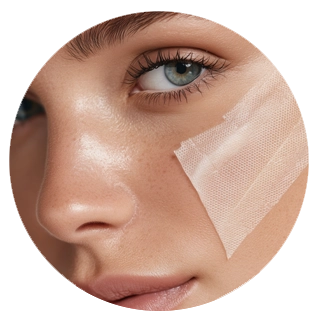
Advanced scar tissue management
Daily rituals for radiant skin health
Maintaining a luminous complexion requires a consistent routine that addresses environmental stressors and biological aging through cleansing, hydration, and defense mechanisms tailored to specific skin types.
Techniques for deep pore cleansing
Removing pollutants prevents oxidative stress and clogged pores.
Hydration and barrier repair
Restoring lipid barriers locks moisture within the dermis.
Broad spectrum sun protection
Blocking UV rays remains the primary anti-aging strategy.
Science of active dermatological ingredients
Potent formulations containing retinoids accelerate cell turnover, diminishing fine lines and improving texture. Vitamin C serums provide antioxidant protection against free radicals, while hyaluronic acid molecules attract moisture to plump the skin surface, creating a visibly smoother appearance that reflects optimal dermatological health.